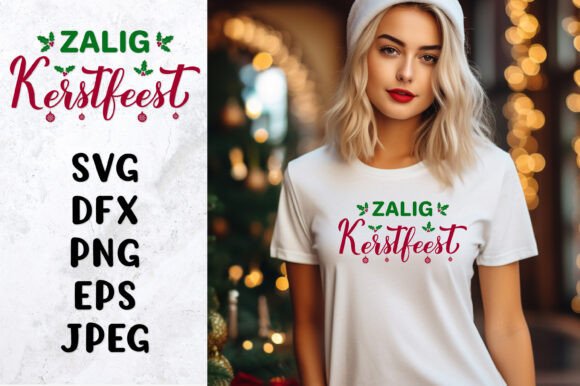
Kerstfeest. Merry Christmas in Dutch Embroidery Review
When I first opened the file for Kerstfeest. Merry Christmas in Dutch, my immediate thought wasn't about the stitch count or the specific format. It was about the feeling. As a designer who has spent years evaluating digital assets for real-world production, I know that a successful machine embroidery design needs to do more than just look good on a screen; it must translate perfectly into thread. This piece of Illustrations carries a distinct warmth and cultural charm that immediately suggests it belongs in a holiday collection rather than a generic seasonal lineup.
The title itself, blending Dutch tradition with English accessibility, sets a specific tone. It feels personal, intimate, and slightly nostalgic. In my experience, designs that carry this kind of narrative weight often perform best when used in personalized gift scenarios or boutique products where storytelling is part of the value proposition. Before I even touched the hoop, I could visualize how this embroidery project would resonate with customers looking for something unique beyond the standard Santa and reindeer motifs.
Real-World Application: The Holiday Tote Scenario
To truly judge the potential of Kerstfeest. Merry Christmas in Dutch, I put it through a mental simulation based on a recent client request. Imagine preparing a custom embroidered tote bag for a local craft fair or an Etsy shop listing dedicated to holiday gifts. The goal is to create a product that feels handmade but maintains professional polish.
In this scenario, placing the design on a sturdy canvas tote or a soft cotton blend apron makes sense. The layout of the text and accompanying graphics needs to sit comfortably within a 4x4 or 5x7 inch area without feeling cramped. My assessment is that this design excels in that medium. The balance between the typography and any decorative elements allows for excellent thread coverage. When stitched, the contrast against a natural linen or a deep forest green fabric would create a sophisticated look that elevates a simple tote into a premium handmade product.
I also considered using this as a focal point for a baby item, such as a onesie or a small blanket. The gentle phrasing of "Kerstfeest" adds a layer of uniqueness that parents often seek for their children's clothing. However, the success here depends heavily on the stitch density. If the design is too dense, it might feel stiff against a baby's skin. But if executed correctly with proper stabilizer choices, it creates a keepsake quality that justifies a higher price point in a craft business catalog.
Performance Across Different Fabrics and Garments
One of the most critical aspects of reviewing an embroidery file is understanding its versatility. Kerstfeest. Merry Christmas in Dutch appears designed with a mix of satin stitch for clean lines and fill stitch for texture, which generally translates well across various materials. For custom apparel like sweatshirts or t-shirts, the design offers a great opportunity for branding. A small shop owner could use this to launch a limited-edition holiday line, creating a cohesive brand identity that stands out from mass-produced items.
The design also seems suitable for home decor items like pillow covers or kitchen towels. These are high-volume categories for Etsy sellers and small shop products. The visual personality of the design fits the cozy aesthetic of winter home goods perfectly. When you pair this with warm autumnal thread colors, the result is a finished product that invites touch and feels inviting. It transforms a standard tea towel into a conversation starter, increasing the perceived value for the buyer.
However, not every surface is a match. I would advise caution when attempting to apply this to curved surfaces like caps or hats. While possible, the curvature can distort the lettering, making the message less legible. Similarly, on stretchy fabrics, the tension required for the running stitch or fill areas might cause puckering if the stabilizer isn't chosen correctly. For these applications, testing on scrap fabric is non-negotiable.
Navigating Technical Challenges and Limitations
Every digital embroidery file has its constraints, and being aware of them is what separates a pro from a hobbyist. There are specific situations where Kerstfeest. Merry Christmas in Dutch requires careful handling. Small hoop sizes are a primary concern. If the design contains intricate details or tiny lettering, shrinking it down to fit a mini hoop can lead to loss of definition. The threads may crowd each other, resulting in a muddy appearance rather than crisp clarity.
Textured fabrics present another hurdle. Thick fleece or heavy denim can sometimes swallow up the finer details of the design. In these cases, the background texture of the fabric competes with the thread work, reducing the overall impact. Additionally, dark fabrics require a solid underlay or a different thread color strategy to ensure the design pops. Without proper planning, the colors might appear dull or washed out against a black background.
Dense stitch areas are also worth noting. While they provide richness, they can add significant weight to the garment. On lightweight fabrics like sheer curtains or thin shirts, this weight might cause the material to sag over time. For commercial projects, especially those involving frequent washing, durability is key. The design should be robust enough to withstand the wash cycle without fraying or losing its shape, which means checking the thread colors and ensuring the stitch path is optimized for longevity.
Essential Notes for Designers and Makers
Before you commit this design to your next batch of production, there are several practical steps to take. First and foremost, always test the design on scrap fabric. This allows you to gauge the stitch density and see how the threads interact with the specific material you plan to use. Check the thread color contrast by stitching a sample in both light and dark variations to ensure readability.
Review the hoop size requirements carefully. Ensure your machine can accommodate the dimensions without needing to split the design, which can compromise the alignment. Inspect small details closely; sometimes, what looks fine on a monitor becomes difficult to stitch at actual size. Using a black and white mockup can help you visualize the structure of the design independent of color distractions.
Furthermore, confirm whether the design works for both personal and commercial projects. Licensing terms vary widely, and selling finished items made with this embroidery project without the correct permissions can lead to legal issues. Always verify the license before adding the design to your design assets library or using it for commercial embroidery clients.
Finally, consider the presentation. A well-executed Kerstfeest. Merry Christmas in Dutch design enhances the finished product's appeal, building trust with buyers who appreciate attention to detail. Whether you are creating a patch, a hat, or a full-size garment, the clarity and professionalism of the stitch work directly influence customer engagement. By taking the time to understand the nuances of this illustration and applying it with care, you ensure that your holiday offerings stand out as high-quality, thoughtful creations.