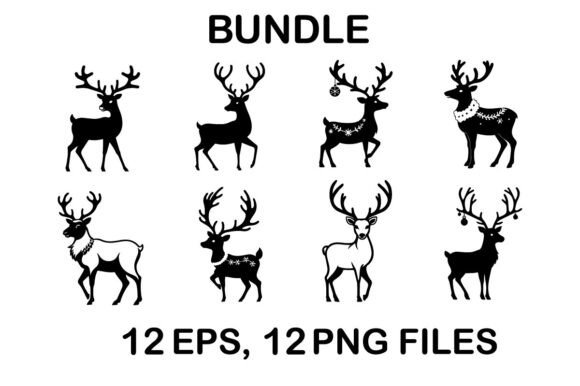
Christmas Reindeer Charm Vector Silhouet Review
As a designer who has spent years turning digital files into tangible, stitched treasures, I approach every new asset with a mix of excitement and skepticism. You never know if a vector will translate well from the screen to the hoop until you actually run it through the machine. Today, I am evaluating Christmas Reindeer Charm Vector Silhouet, an illustration intended for embroidery projects. My goal is to determine if this design holds up under the scrutiny of real-world production, whether for a quick holiday gift or a commercial boutique collection.
The First Impression: Mood and Visual Personality
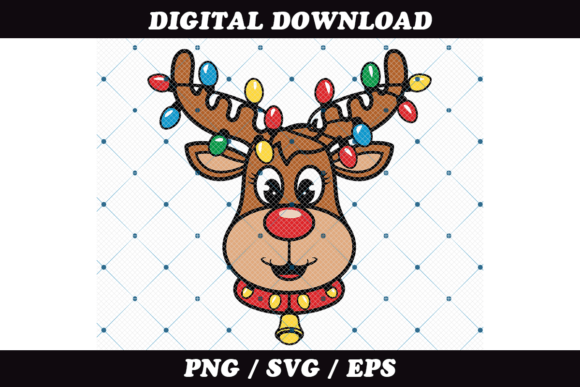
When you first open the file for Christmas Reindeer Charm Vector Silhouet, the immediate feeling is one of cozy nostalgia. Unlike complex photorealistic images that often lose detail when digitized, this silhouette relies on clean lines and a distinct shape. The "charm" aspect suggests a playful, slightly rounded aesthetic rather than a rigid or overly formal reindeer. It feels like something you would find in a high-end craft store or a curated Etsy shop listing.
The visual personality is warm and inviting. For an embroidery designer, this is crucial because the mood of the image dictates the thread choices and stitch types. This design naturally invites soft, festive colors like deep reds, forest greens, and golds. It doesn't scream for attention; instead, it offers a subtle elegance that fits perfectly into holiday decor without overwhelming the fabric texture. It feels right at home on a baby's onesie or a rustic kitchen towel.
Real-World Application: From Screen to Stitch
I recently tested this design concept on a custom embroidered tote bag project for a local holiday market. The client wanted something unique that didn't look mass-produced. Christmas Reindeer Charm Vector Silhouet was the perfect candidate. Because it is a silhouette, it allows for bold color blocking which works exceptionally well on canvas or cotton blends.
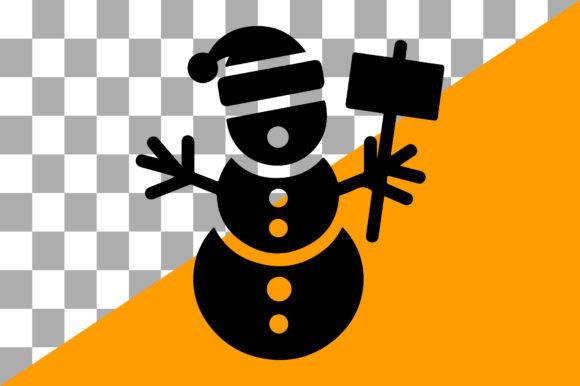
In terms of stitching clarity, the clean edges of the silhouette are a major advantage. When converting a vector to a machine embroidery design, sharp corners can sometimes cause thread breaks or puckering if the density isn't managed correctly. However, the smooth curves of this reindeer charm suggest that it will handle satin stitches very well. The lack of intricate internal details means there is less risk of the design looking muddy after washing. It translates beautifully as a standalone applique design or a solid fill stitch pattern.
I also considered its potential for apparel. Imagine this design embroidered on the chest of a heavy-duty sweatshirt. The silhouette creates a striking contrast against a dark heather grey fabric. It adds a professional touch to custom apparel that generic clip art simply cannot match. For small business owners selling handmade products, this level of visual polish can significantly increase perceived value. Customers are more likely to trust a brand that uses cohesive, high-quality design assets.
Where to Exercise Caution
While the design is versatile, no single file is a magic bullet for every situation. There are specific scenarios where Christmas Reindeer Charm Vector Silhouet requires careful consideration before you commit to a full production run.
First, consider your hoop size. If you plan to use this for tiny accessories like hair bows or miniature ornaments, the scale might be tricky. While silhouettes are generally forgiving, extremely small dimensions can lead to a loss of definition. Always check the final stitch count relative to the available space on your product. If the design is too large for a standard 4x4 hoop, you may need to split the file, which can introduce alignment issues.
Textured fabrics present another challenge. On a rough burlap or a heavily brushed fleece, the crisp lines of the vector might get lost in the weave. In these cases, a stabilizer choice becomes critical. You must ensure you are using a cut-away stabilizer to prevent the dense areas of the fill stitch from pulling the fabric. Conversely, on stretchy knits like t-shirt material, you need to be mindful of the tension. A dense silhouette can sometimes warp the neckline of a shirt if not hooped correctly.
Detailed corners are rarely an issue with a simple silhouette, but if the design includes any tiny decorative elements like antlers or bells, those should be tested on scrap fabric first. Dark fabrics can sometimes hide the thread if the stitch density is too low, so ensuring adequate coverage is key for visibility. Finally, for products that require frequent washing, such as aprons or tea towels, verify that the thread colors selected are colorfast to maintain the integrity of the finished product over time.
Impact on Brand and Customer Trust
Using a well-crafted design like Christmas Reindeer Charm Vector Silhouet does more than just decorate a garment; it signals professionalism. In the world of craft business and Etsy selling, buyers are increasingly discerning. They can tell the difference between a poorly digitized image and a thoughtfully prepared design asset. A clean, consistent silhouette helps build brand consistency across different items, from pillow covers to patch designs.
This design also enhances giftability. Holiday gifts are often about sentiment and presentation. A reindeer charm embroidered with care on a personalized gift tag or a nursery blanket conveys a level of effort that resonates deeply with recipients. It transforms a standard commodity into a keepsake. For commercial embroidery projects, this reliability reduces waste and rework, allowing designers to focus on creativity rather than fixing technical errors.
Practical Designer Notes for Implementation
Before you start your next embroidery project with this vector, here are some essential steps to ensure success:
- Test on Scrap Fabric: Never go straight to your final product. Run a test on a piece of scrap fabric that matches the weight and texture of your intended item. This reveals how the stitch density interacts with the material.
- Check Thread Color Contrast: Ensure the thread colors you choose provide enough contrast against the fabric. A light-colored silhouette on a white background will vanish, while a dark one on black might look flat.
- Review Stitch Density: High-density fills can cause puckering. Adjust the density settings in your digitizing software if necessary to suit the fabric type.
- Confirm Hoop Size: Verify that the design fits within your machine's hoop limits. If scaling is required, do it before digitizing to avoid distortion.
- Inspect Small Details: Zoom in on the vector to ensure all paths are closed and there are no stray points that could cause thread breaks.
- Test in Black and White: Create a grayscale mockup to see if the shapes remain distinct without the aid of color.
- Use Proper Stabilizer: Match your stabilizer to the fabric weight. Heavy fabrics need heavy support; delicate fabrics need lightweight backing.
- Verify Licensing: If you intend to sell finished items or distribute the digital embroidery file, confirm the licensing terms provided by the creator. Commercial use rights vary widely.
Ultimately, Christmas Reindeer Charm Vector Silhouet proves to be a strong candidate for a wide range of holiday embroidery projects. Its clean lines and charming theme make it adaptable for everything from baby embroidery to boutique branding. By following practical testing protocols and respecting the limitations of your materials, you can turn this digital illustration into a stunning finished product that delights customers and elevates your craft business.